Korean Bibimbap
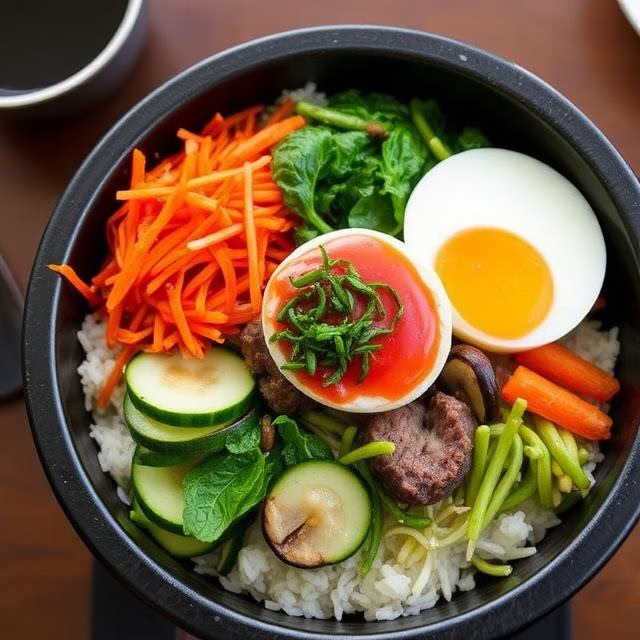
During a teaching stint in South Korea, I lived above a tiny restaurant specializing in bibimbap. The owner, Mrs. Kim, would wave me in daily, concerned that I was too thin. She’d arrange each component of the dish with artistic precision before instructing me to “mix, mix!” with enthusiastic gestures.
This recipe attempts to capture Mrs. Kim’s attention to detail – the vegetables separately prepared to maintain their distinct textures and flavors, the rice crisped just so against the hot stone bowl. While my version may lack her decades of experience, it serves as a delicious reminder of her kindness and the beauty of this balanced, nutritious meal.
Ingredients:
- 2 cups short-grain white rice, cooked
- 1 tablespoon sesame oil, plus more for serving
- 2 cups fresh spinach
- 1 cup bean sprouts
- 1 carrot, julienned
- 1 zucchini, julienned
- 1 cucumber, julienned
- 4 shiitake mushrooms, sliced
- 1 pound beef sirloin, thinly sliced (optional)
- 4 eggs
- 4 tablespoons gochujang (Korean chili paste)
- 2 tablespoons soy sauce
- 1 tablespoon sugar
- 2 cloves garlic, minced
- 2 tablespoons toasted sesame seeds
- 4 green onions, sliced
Instructions:
- If using stone bowls (dolsot), heat them in the oven at 425°F (220°C)
- Marinate beef (if using) in 1 tablespoon soy sauce, 1 teaspoon sugar, and 1 clove minced garlic for 20 minutes
- Blanch spinach for 30 seconds in boiling water, then drain and squeeze out excess water
- Season spinach with a pinch of salt and a few drops of sesame oil
- Blanch bean sprouts for 2 minutes, drain, and season like the spinach
- Sauté carrot, zucchini, and mushrooms separately with a pinch of salt until just tender
- Cook marinated beef in a hot skillet until just browned
- Mix gochujang with remaining soy sauce, sugar, garlic, and 1 tablespoon water to make sauce
- If using heated stone bowls, add 1 teaspoon sesame oil to each, then add rice and press up the sides
- If using regular bowls, simply portion rice into each bowl
- Arrange vegetables and beef attractively over rice in separate sections
- In a non-stick skillet, fry eggs sunny-side up or over easy
- Place an egg on top of each bowl
- Serve with gochujang sauce, sesame seeds, and green onions
- Mix everything together thoroughly before eating
Note: Traditional bibimbap is served in hot stone bowls (dolsot) that crisp the rice, but regular bowls work fine if you don’t have them. For a vegetarian version, replace the beef with extra mushrooms or cubed firm tofu. The beauty of bibimbap is its adaptability – use whatever vegetables are in season or that you have on hand.